HPD Pest Violation Assistance
Help for NYC building owners with HPD pest violations for mice, rats, cockroaches or bed bugs – inspection, treatment and service documentation to support correction.
Quick Answer
If HPD has cited your NYC building for mice, rats, roaches or bed bugs, Reclaim Pest Control inspects the cited unit and the building, treats the source using integrated pest management, and provides written service records. Only HPD can close a violation; owners certify the correction with HPD.
Help With HPD Pest Violations in NYC Buildings
When a tenant reports mice, rats, cockroaches or bed bugs to 311, the NYC Department of Housing Preservation and Development (HPD) may inspect the apartment and issue a violation against the building. Owners must correct the condition and certify the correction with HPD within the deadline stated on the notice. Reclaim Pest Control helps owners and managers address the pest condition behind the violation and provides service records for their files.
Important: Reclaim Pest Control is a pest control company, not a law firm or a city agency. We do not remove, dismiss or certify violations. Only HPD can close a violation. Check your notice of violation and HPD's guidance for exact requirements and deadlines.
Understanding HPD Violation Classes
- Class A – non-hazardous conditions.
- Class B – hazardous conditions.
- Class C – immediately hazardous conditions.
Pest conditions are typically cited as hazardous or immediately hazardous. Correction deadlines are shorter for more serious classes, so act as soon as you receive the notice.
Related NYC Laws
- Local Law 55 of 2018 requires owners of buildings with three or more units to annually inspect units for indoor allergen hazards, including pests, and to use integrated pest management (IPM) to correct them.
- Local Law 69 of 2017 requires owners of multiple dwellings to file an annual bed bug report with HPD.
Read more in our article on NYC landlord pest requirements.
How We Help
- Review the notice: Send us the violation details and the unit(s) cited.
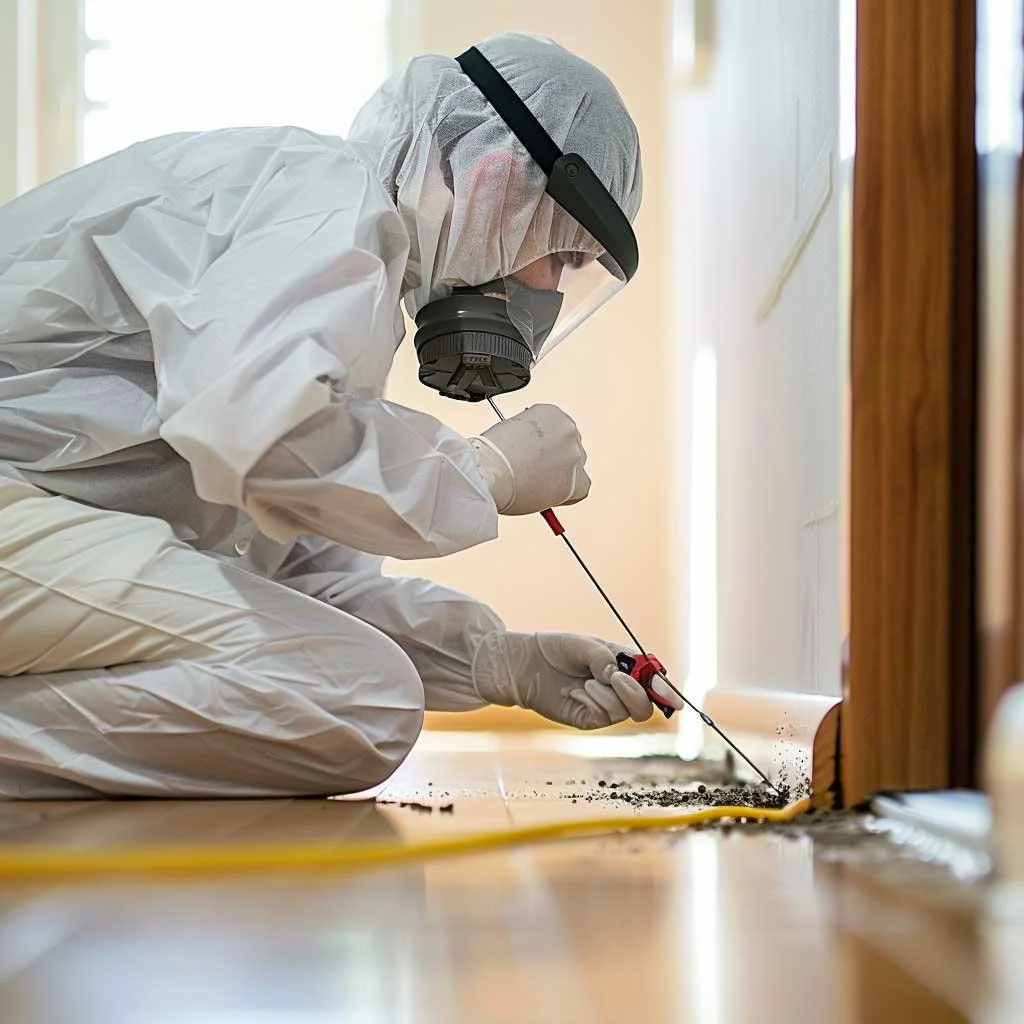
- Inspection: We inspect the cited unit and, where relevant, adjoining units, common areas and the basement to find the source.
- IPM treatment: Treatment of the cited pest using integrated pest management, including sealing entry points where we find them. See German cockroach control and rodent exclusion.
- Service documentation: Written service records describing the inspection, findings and work performed, which you can keep with your correction records.
- Prevention: A recommended ongoing plan so new complaints are less likely. See property management pest control.
Tips for Owners
- Respond quickly; deadlines start from the notice date.
- Arrange tenant access early so treatment is not delayed.
- Treat the source, not only the cited unit, to avoid repeat violations.
- Keep copies of all service records.
Our Features
- ✓Review of the violation notice
- ✓Inspection of cited and adjoining units
- ✓IPM-based treatment
- ✓Entry point sealing
- ✓Written service documentation
- ✓Ongoing prevention plans
Benefits
Source of the problem addressed
Records for your correction files
Lower chance of repeat complaints
Coordination with supers and managers
Our Process
Send us your violation details
Inspection of the cited unit and building
IPM treatment and sealing
Written service records provided
Ongoing prevention plan
HPD Pest Violation Assistance FAQs
Can you remove my HPD violation?
No. Only HPD can close a violation. We treat the pest condition and provide service records; the owner is responsible for certifying correction with HPD.
How fast can you inspect after I get a violation?
Call 646-209-9955 with your notice details and we will schedule the earliest available inspection.
What should I send you?
The violation number, the class, the pest cited, the unit number and the building address. Use the property manager form or call us.
Other Services
Service Areas
We provide HPD Pest Violation Assistance in:
Popular Neighborhoods
HPD Pest Violation Assistance in these areas: