Rodent Exclusion
Rodent exclusion for NYC and Long Island properties – finding and sealing the entry points mice and rats use, so they stop coming back after trapping.
Quick Answer
Rodent exclusion stops mice and rats from getting back in after they are removed. Reclaim Pest Control inspects the building, shows you the entry points, seals them with chew-resistant materials, and monitors to confirm activity has stopped.
Rodent Exclusion: Stop Mice and Rats at the Entry Point
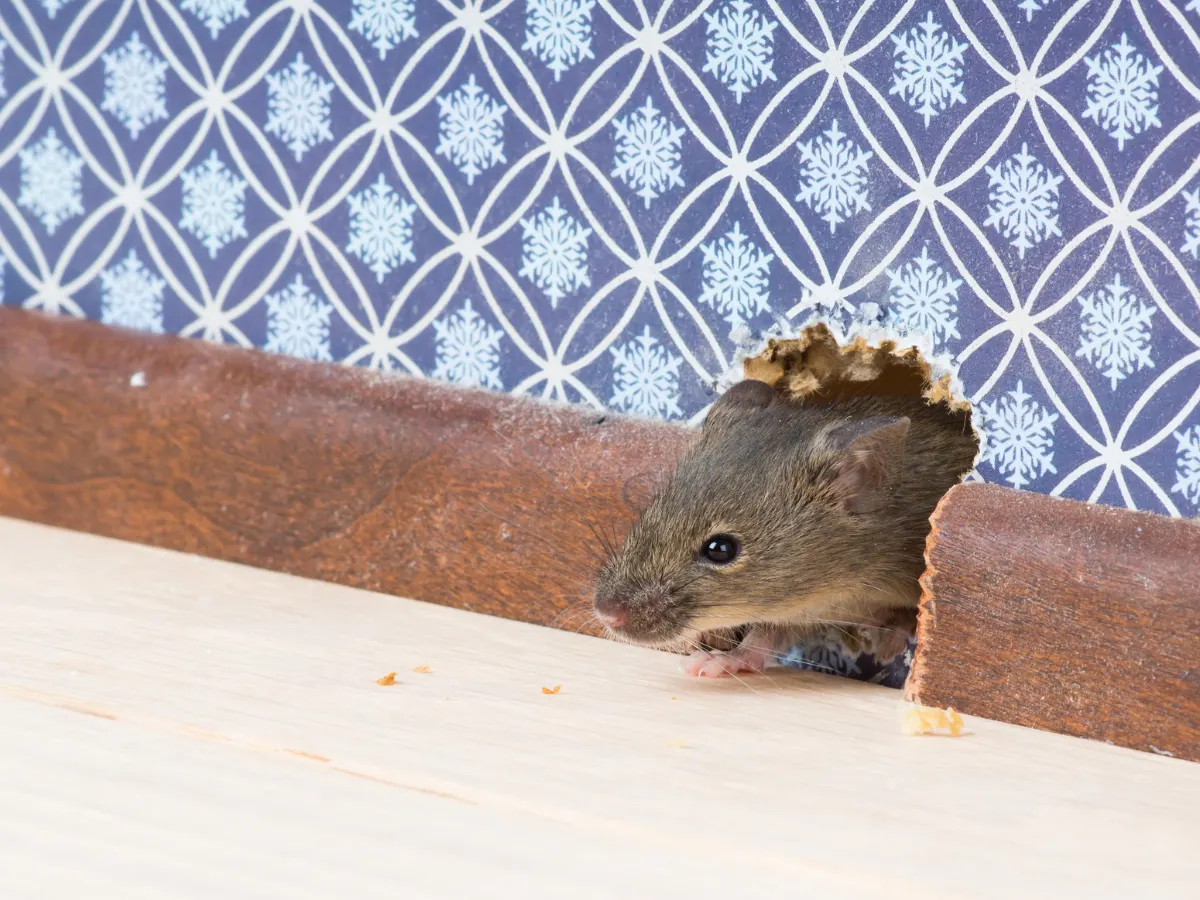
Trapping and baiting remove the mice and rats already inside. Exclusion keeps new ones from getting in. If you have had rodents removed and they returned, the building almost always has openings that were never sealed. A mouse can squeeze through a gap about the width of a pencil, and a young rat through an opening about the size of a quarter.
Where Rodents Get In
- Gaps where gas, water and electrical lines enter the building
- Spaces under exterior and basement doors with worn or missing door sweeps
- Cracks in foundations, around basement windows and at sidewalk vaults
- Openings around radiator and heating pipes between floors
- Dryer vents, exhaust fans and damaged vent covers
- Gaps around air-conditioner sleeves and window units
- Roof lines, eaves and soffits on houses
Our Exclusion Process
- Inspection: We examine the exterior, basement, utility entries and interior pathways, and look for rub marks, droppings, gnaw marks and burrows.
- Entry point report: We show you the openings we found and recommend what to seal.
- Sealing: Openings are sealed with materials rodents cannot easily chew through, such as copper or steel mesh, hardware cloth, sealants and door sweeps, depending on the location.
- Interior control: Rodents already inside are removed with traps or bait stations. See rodent control.
- Monitoring: Follow-up checks confirm the sealed openings are holding and activity has stopped.
Exclusion for Multi-Family and Commercial Buildings
In apartment buildings and restaurants, rodents move through basements, trash rooms and utility chases. Exclusion at the building level, combined with sanitation and garbage management, reduces activity across every unit. Property managers can combine exclusion with a building pest program.
Rodent Exclusion vs. Rodent Proofing
Our rodent proofing page covers prevention basics for homeowners. Rodent exclusion is the full inspect, seal and monitor process for properties with active or recurring rodent problems.
Our Features
- ✓Exterior and basement inspection
- ✓Entry point report
- ✓Sealing with chew-resistant materials
- ✓Door sweep installation
- ✓Interior trapping when needed
- ✓Follow-up monitoring
Benefits
Addresses why rodents keep returning
Reduces reliance on ongoing baiting
Works with building-wide programs
You see the entry points we find
Our Process
Inspection of exterior, basement and utility entries
Entry point report and recommendations
Sealing of openings
Removal of rodents already inside
Monitoring visit to confirm results
Rodent Exclusion Videos
Rodent Exclusion FAQs
Why do mice come back after trapping?
Trapping removes rodents already inside, but if the openings they used are still there, new rodents follow. Exclusion seals those openings.
What materials are used to seal holes?
We choose materials based on the location, typically copper or steel mesh, hardware cloth, sealants and door sweeps that rodents cannot easily chew through.
Can exclusion be done in an apartment building?
Yes. Building-level exclusion of basements, trash rooms and utility entries is often the most effective approach in multi-family buildings.
Other Services
Service Areas
We provide Rodent Exclusion in:
Popular Neighborhoods
Rodent Exclusion in these areas: